

One of the questions we're asked most often is, "How do I get my orchid to bloom again?"
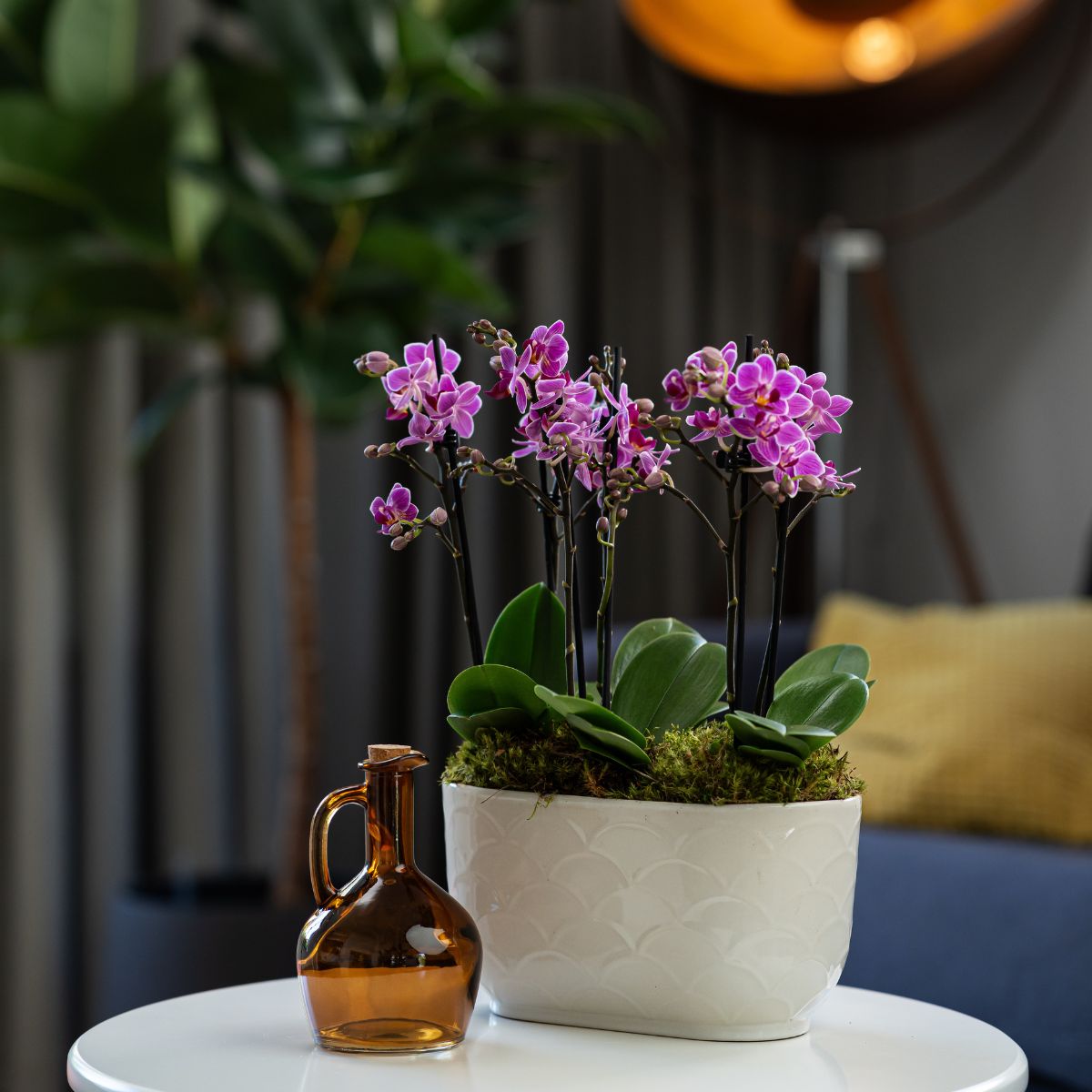
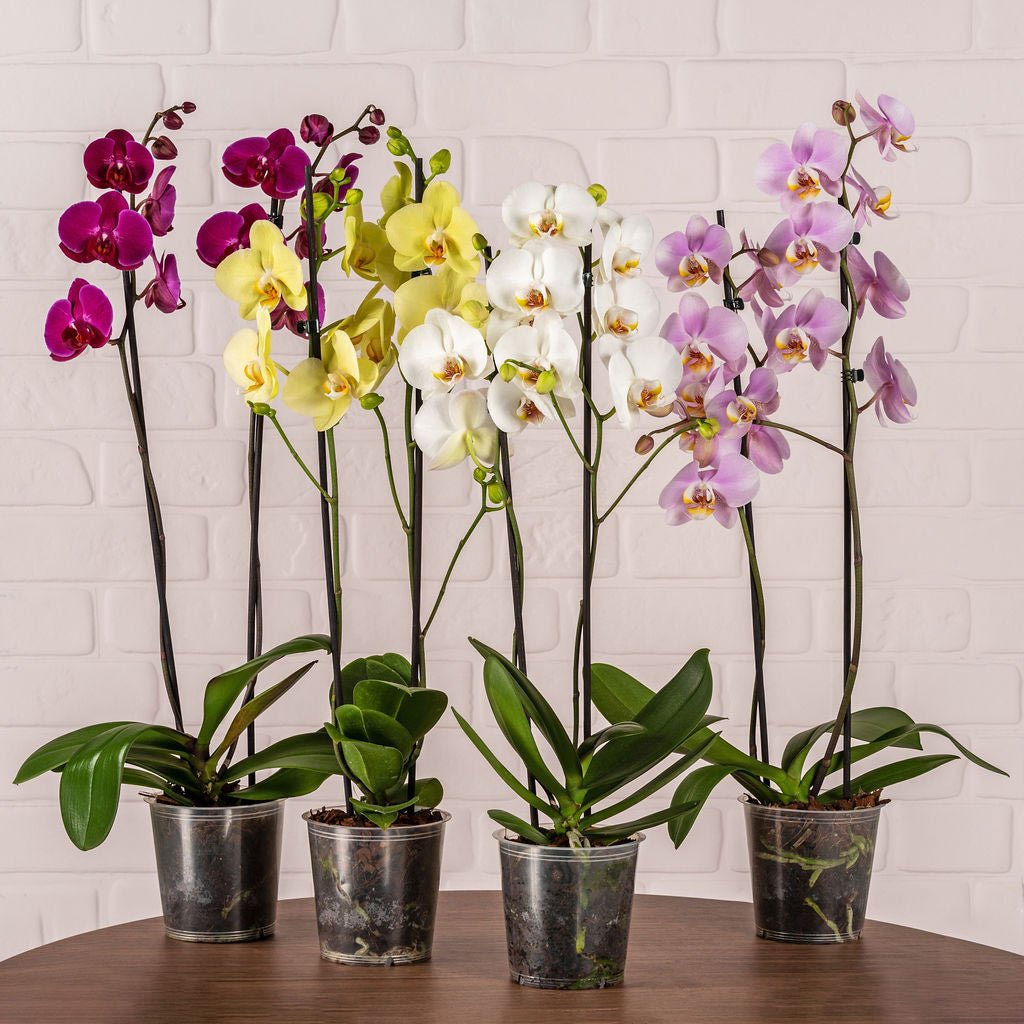
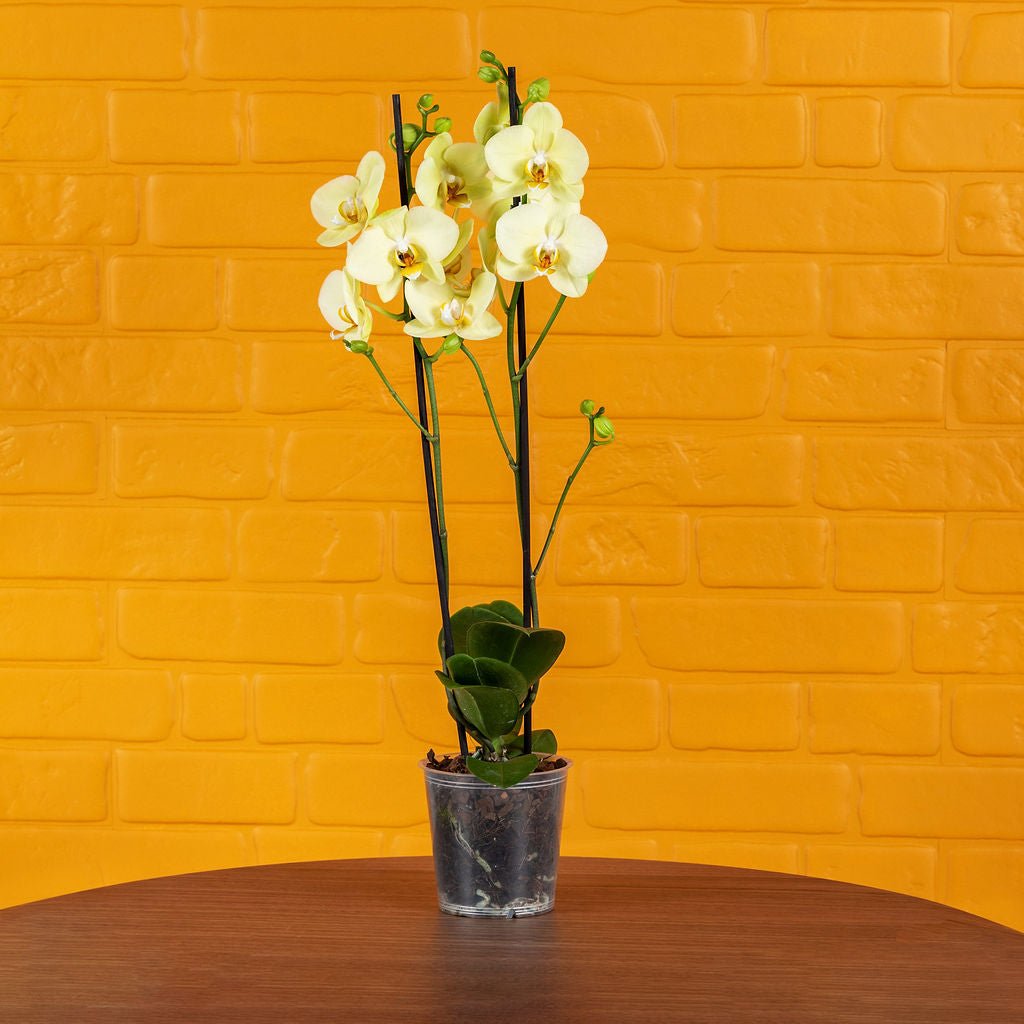
The good news is that if you have a healthy Phalaenopsis orchid, flowering again is completely natural. Each display of flowers can last for two to three months and, with the right care, many healthy Phalaenopsis orchids will reward you with another beautiful display in the future.
At Love Orchids, every orchid is carefully grown in our family nursery for around 12 months before it's ready for its new home. During that time it develops the roots, leaves and flower spikes that make it such a rewarding houseplant. Understanding this natural growing cycle is the key to helping your orchid bloom again.
In this guide, we'll explain why orchids stop flowering, how long reblooming takes and the simple steps you can take to encourage your orchid to produce beautiful flowers again.
In this guide:
🌿 Grower's Tip
Flowering is actually one of the shortest stages of an orchid's life. Once the blooms have faded, your orchid simply returns to growing, building up the energy it needs before producing its next flower spike.
1. Why Has My Orchid Stopped Flowering?
If your orchid has stopped flowering, don't panic. This is completely normal and doesn't mean your plant is dying.
Like all flowering plants, Phalaenopsis orchids follow a natural lifecycle. After producing flowers for several months, they enter a growing phase where they concentrate on producing new roots and leaves. During this time, the plant is storing the energy it needs before it can flower again.
Many people throw their orchids away once the last flowers have faded, believing the plant has finished. In reality, it's simply preparing for its next display.
If you'd like to understand what happens during each stage of your orchid's journey, read our guide to From Seed to Beauty: The Lifecycle of an Orchid, where we explore everything from root growth and leaf development through to flowering and dormancy.
🌿 Grower's Tip
In our nursery, we never judge an orchid by its flowers alone. Strong roots and healthy leaves tell us far more about the future of the plant than the blooms currently on display.
2. What Should I Do When the Flowers Have Finished?
Once the last flower has faded, your orchid enters its natural growing phase. This is the perfect time to prepare it for its next display.
Step 1: Check the Flower Spike
If the flower spike is still green, you can trim it back to just above a node (the small bump on the stem). This may encourage the orchid to produce a secondary flower spike.
If the spike has turned brown and dried out, cut it back near the base of the plant. The orchid will produce a completely new flower spike when it's ready.
Don't be tempted to cut off healthy green leaves or aerial roots after flowering. They're still working hard, storing energy and supporting future growth.
Step 2: Continue Caring for Your Orchid
Keep your orchid in bright, indirect light, water when the roots become silvery-grey and continue caring for it as normal. Although the flowers have gone, the plant is actively growing and storing energy for its next flowering cycle.
Step 3: Let Nature Take Its Course
Resist the temptation to keep moving your orchid or changing your routine. Healthy orchids don't need complicated care after flowering—just consistent conditions and a little patience.
🌿 Grower's Tip
Many people think the growing season begins when the flowers appear. In fact, it's the months between flowering displays that have the biggest influence on how well your orchid will bloom next time.
3. How to Encourage Your Orchid to Bloom Again
Getting your orchid to bloom again isn't about finding a secret trick or buying lots of specialist products. It's about giving your orchid the conditions it naturally needs to grow.
After flowering, your orchid enters a period of active growth. During this time it's producing new roots and leaves, storing the energy needed for another spectacular display. The stronger the plant becomes during this stage, the better its chances of flowering again.
Give Your Orchid Plenty of Light
Light is one of the biggest influences on flowering. Orchids thrive in bright, indirect light where they can produce the energy needed for healthy growth without the risk of sunburn.
A north or east-facing windowsill is often ideal. If your orchid is positioned near a south or west-facing window, move it slightly away from the glass or use a sheer blind to soften strong sunshine during the hottest part of the day.
Too little light often results in healthy leaves but no flowers, while direct sun can scorch both the leaves and blooms.
Water Carefully
Healthy roots are essential if your orchid is to flower again.
Water only when the orchid bark has dried and the roots have turned silvery-grey. If the roots are still green, they're holding enough moisture and don't need watering yet.
Always allow excess water to drain away completely and never leave your orchid sitting in water, as this can damage the roots and reduce the plant's ability to produce future flowers.
Temperature
A stable environment helps orchids thrive, but a slight drop in night-time temperatures during autumn can also encourage flowering.
In nature, this gentle change signals the transition from active growth to flower production. At home, a difference of around 5–8°C between day and night temperatures is often enough to encourage a healthy orchid to begin producing a new flower spike.
Feed During Active Growth
Although not essential, feeding your orchid occasionally during the growing season can support healthy growth and future flowering.
Use a specialist orchid fertiliser and always follow the manufacturer's instructions. Fertiliser supports healthy growth, but it won't compensate for poor light or overwatering.
Be Patient
Perhaps the most important ingredient is patience.
Depending on the time of year and your growing conditions, it can take several months before a new flower spike appears. During this time, continue caring for your orchid as normal. Every new leaf and root is a sign that your orchid is storing energy for its next display.
🌿 Grower's Tip
A healthy orchid doesn't flower because it's been watered more or fed more. It flowers because it has built up enough energy through months of steady growth. Good light, healthy roots and patience will always achieve more than trying to force the plant into bloom.
4. How Long Does It Take an Orchid to Bloom Again?
One of the biggest misconceptions about orchids is that they should flower again within a few weeks. In reality, reblooming takes time.
After flowering, your orchid focuses on growing before producing another flower spike. Only once it has stored enough energy will it begin preparing for its next display.
For most healthy Phalaenopsis orchids, it typically takes around 6–9 months to produce a new flower spike after flowering has finished. Exactly how long depends on the time of year, the amount of light your orchid receives and how well it's growing.
With the right care, it's not unusual for a healthy orchid to flower twice in a year, while others may produce one spectacular display annually. Every orchid is different, so patience is key.
Don't be discouraged if nothing appears to be happening. Orchids are naturally slow-growing plants, and much of the important work is taking place beneath the surface.
Remember, every orchid grows at its own pace. Some naturally take longer than others to bloom again.
Signs Your Orchid Is Heading in the Right Direction
While you're waiting, look out for these encouraging signs:
- New leaves emerging from the centre of the plant.
- Bright green root tips developing.
- Firm, healthy green leaves.
- Strong silvery-green roots.
- A new flower spike beginning to emerge.
If you're unsure whether you've spotted a new root or a flower spike, don't worry – it's a common question. A flower spike usually emerges from between the leaves and has a flattened, mitten-shaped tip, while new roots are rounder with smooth, bright green growing tips that soon turn downwards as they grow.
🌿 Grower's Tip
One of the biggest mistakes we see is people giving up too soon. Orchids flower when they're ready – not when the calendar says they should. Patience really is one of the most valuable parts of successful orchid care.
5. Why Won't My Orchid Bloom Again?
If your orchid hasn't flowered again yet, don't lose heart. In most cases, there's a simple explanation rather than a serious problem.
It Needs More Light
Light is one of the biggest influences on whether an orchid will produce a new flower spike. While Phalaenopsis orchids don't enjoy direct sunshine, they do need plenty of bright, indirect light to generate the energy required for flowering.
If your orchid is producing healthy leaves but no flower spike, try moving it to a brighter position. A north or east-facing windowsill is often ideal, while south or west-facing windows may need a sheer blind or a little extra distance from the glass to prevent scorching.
It's Still Growing
After flowering, your orchid naturally concentrates on producing new leaves and roots before it begins flowering again.
This stage can last for several months, so don't worry if your orchid looks healthy but isn't producing flowers yet. New growth is a positive sign that your orchid is preparing for its next display.
The Roots Need Attention
Strong roots are essential for healthy growth and future flowers.
Overwatering, poor drainage or potting bark that has started to break down can all affect the root system, making it harder for the plant to absorb water and nutrients.
Healthy roots should feel firm and appear green after watering, gradually turning silvery-grey as they dry.
It Simply Isn't Ready Yet
Perhaps the most common reason an orchid hasn't flowered again is simply that it hasn't finished building up enough energy.
Unlike many flowering plants, orchids don't bloom to a fixed timetable. They flower when conditions are right and when they've stored enough energy to support another long-lasting display.
Every orchid grows at its own pace, so some plants naturally take longer than others.
🌿 Grower's Tip
A flower spike is the final stage of a much longer process. Before we expect an orchid to flower in our nursery, we look for steady new growth, healthy leaves and an active root system. If your orchid is producing these, it's already moving in the right direction—even if you can't see a flower spike just yet.
6. Can Every Orchid Bloom Again?
Most healthy Phalaenopsis orchids are capable of flowering again, provided they're given the right conditions and enough time to complete their natural growing cycle.
Rather than flowering continuously, orchids alternate between periods of active growth and spectacular blooms. After each flowering season, they return to producing leaves and roots before developing another flower spike.
Every orchid is different, so some will rebloom more quickly than others. Light levels, temperature, watering and the overall health of the plant all influence when the next display appears.
If your orchid is producing fresh growth and looks healthy, it's already doing exactly what it should be. Continue caring for it consistently and let nature take its course.
🌿 Grower's Tip
Growing orchids has taught us that consistency is far more important than perfection. Orchids thrive when they're left to settle into a bright position with careful watering and a stable environment. Small, consistent care over time almost always produces better results than constantly changing conditions in the hope of encouraging flowers.
Final Thoughts
If your orchid has stopped flowering, don't assume you've done something wrong. In almost every case, it's simply following its natural lifecycle.
By providing bright, indirect light, watering carefully and giving your orchid time to grow, you'll give it the best possible chance of flowering again. Remember, while each display of flowers lasts for around two to three months, the plant itself can continue growing and blooming for many years.
If you'd like to understand what happens between flowering cycles, explore our guide to From Seed to Beauty: The Lifecycle of an Orchid, or browse our growing collection of orchid care guides written by our growers. We're always here to help you enjoy your orchid for longer.